
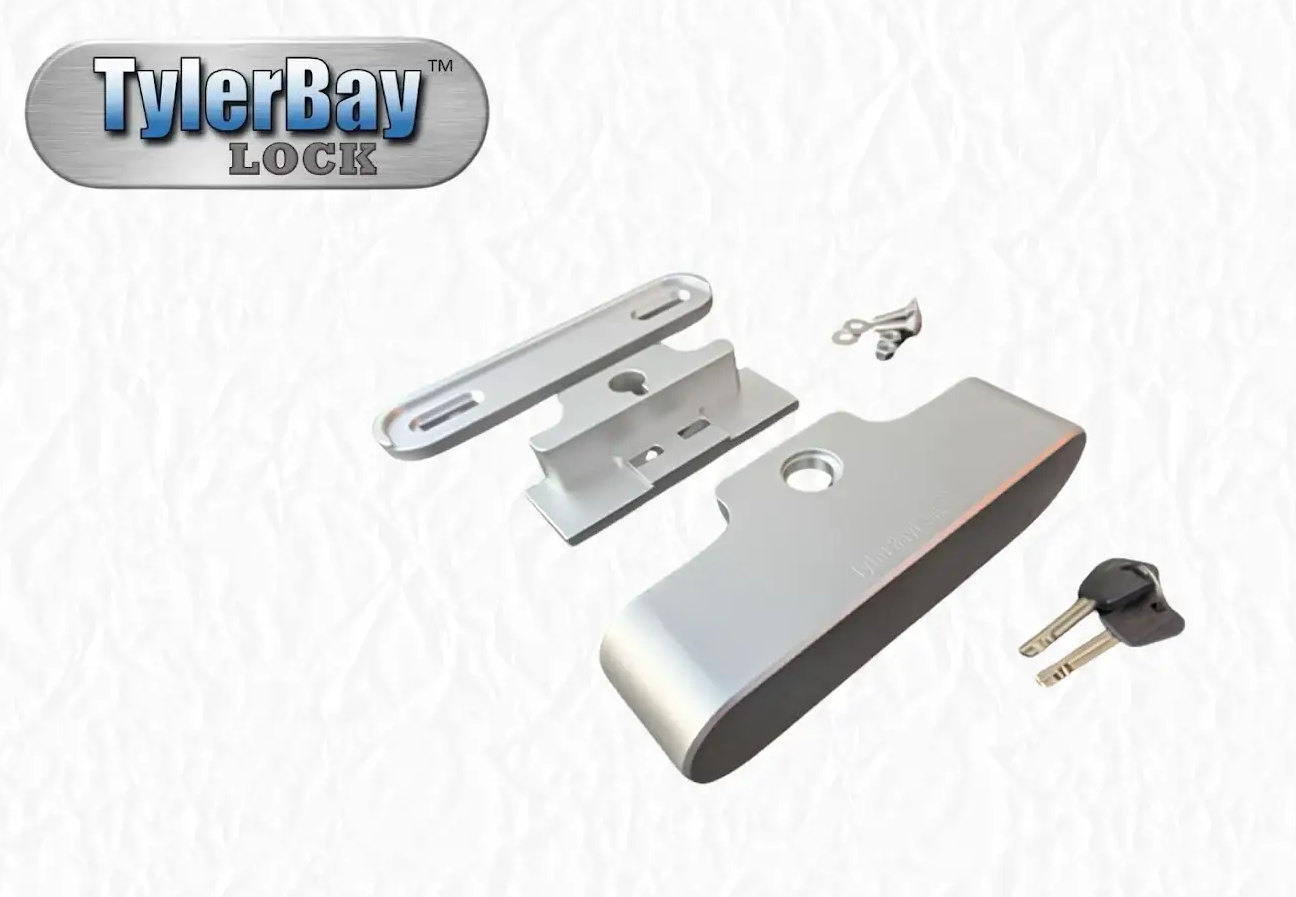
For a boat owner, “Pick-resistant” sounds reassuring. It suggests that a thief will have trouble getting through the lock. But is that enough? The real concern is the motor itself, sitting exposed at the back of the boat while you are miles away. An Outboard Motor Nonpickable Lock looks beyond the keyhole and asks a more useful question: how much harder have you made the motor to take? And that answer changes everything.
Why Does the Label Deserve a Second Look?
“Pick-resistant” sounds definitive. It is not. The term tells you something about one part of the lock. It does not inform you whether the housing is durable, how the product stands up to marine elements, how well it shields the mounting point, or how safe it is each time you leave your boat alone. Think about your own end-of-day routine. You pull in, tie up, put away the gear, and start thinking about dinner or the drive home. The motor stays outside. Nobody is standing there watching it.
That is the moment your security setup has to work without you. A sensible buying decision should look at:
- Physical construction
- Protection around the mounting area
- Marine durability
- Fit for the motor
- Ease of regular use
- The amount of resistance added to removal
A good label can catch your eye. The details should earn your trust.
Will You Actually Use It?
This is where many security conversations become unrealistic. No one wants to stand at the dock dealing with complicated hardware after a tiring day. If something takes too long, requires too many steps, or feels like a nuisance, it eventually gets skipped.
A good system is designed for installation in minutes, which makes it easier to build into the normal process of leaving the boat. The ordering process also asks for the outboard make and model, including horsepower, so the appropriate setup can be provided.
That is not just about convenience. It is about habit. Protection works best when it happens automatically because you have made it part of owning the boat.
Is Your Old Lock Still the Right Answer?
Sometimes you do not need a dramatic reason to upgrade. Maybe your old equipment has just experienced too many seasons. Maybe the salt and weather have worn out its efficiency. Maybe you changed your motor. Maybe the previous design was difficult enough that you never even tried using it.
For anyone interested in replacing Outboard Motor Locks, these are things to consider before purchasing again. Ask yourself:
- Does the current hardware still fit properly?
- Has marine exposure affected its condition?
- Does the construction feel substantial enough?
- Is it quick enough to use every time?
- Does it give the motor the level of protection you now expect?
A replacement should not be about buying something that merely fills the same space. It should leave you with a better setup.
Protect What Gets You Home
Most boat owners consider an outboard motor lock as just expensive equipment, while it is more than that. It is what keeps the boat going. It is what gets you to the fishing spot. It is what gets you back to the ramp. It is what turns a boat into a practical one, and if it is missing, there are so many problems you’ll need to face at once- more than you imagine.
There is the replacement cost. There is downtime. There are plans that suddenly have to change. A little preparation at the dock looks very different when compared with that headache.
While “Pick-resistant” is worth considering, it can’t be the only factor your entire decision depends on. There are a lot of other things to check- build, surroundings, protection and its ease of use in daily life.
With its strong build, anodized finish, thick housing, and a quick and easy installation process, TylerBay Lock gives boat owners a specialized solution to boost the security of their outboard motor.
Because when you leave the dock, the best feeling is knowing your boat is still yours when you come back.